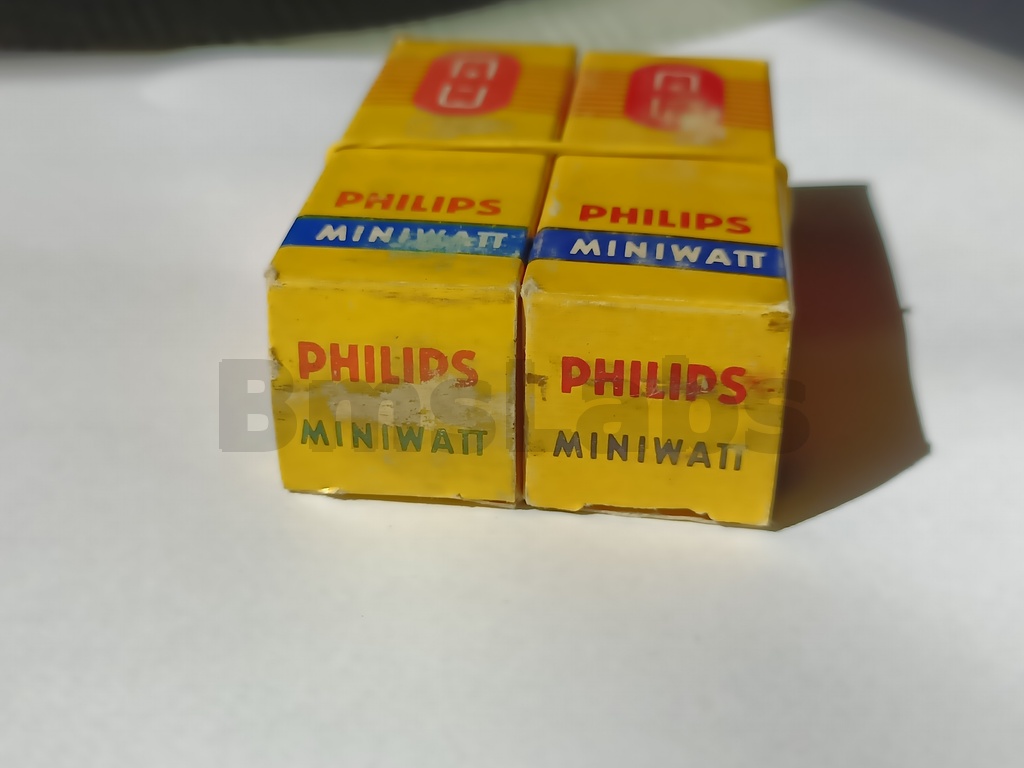
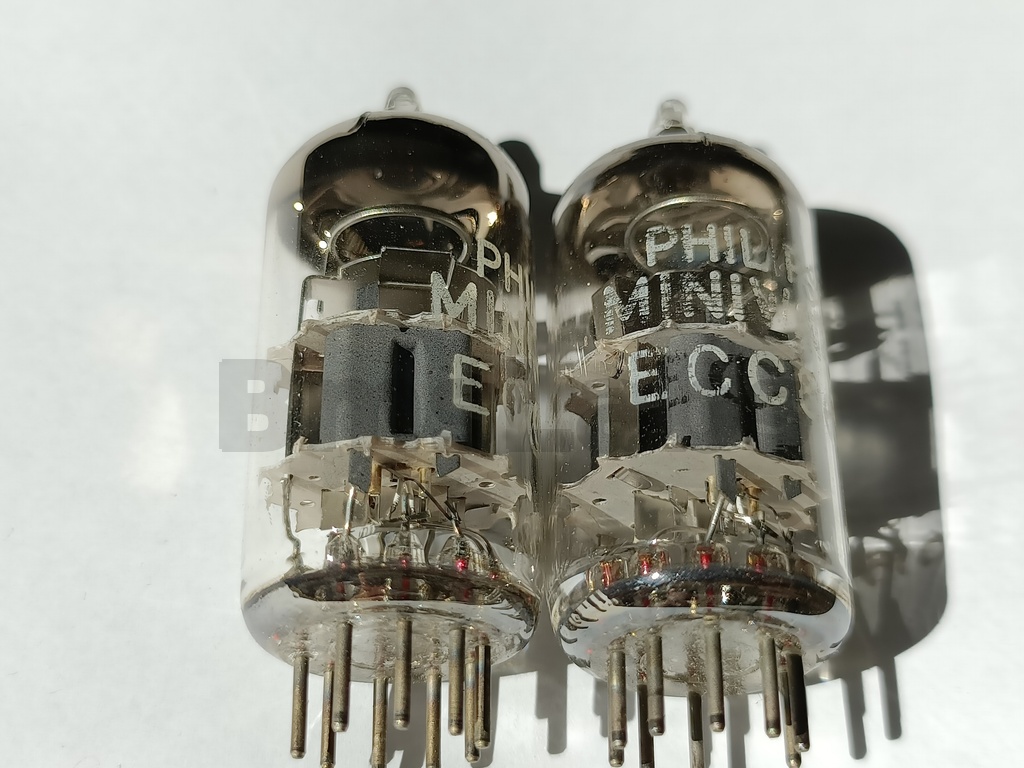
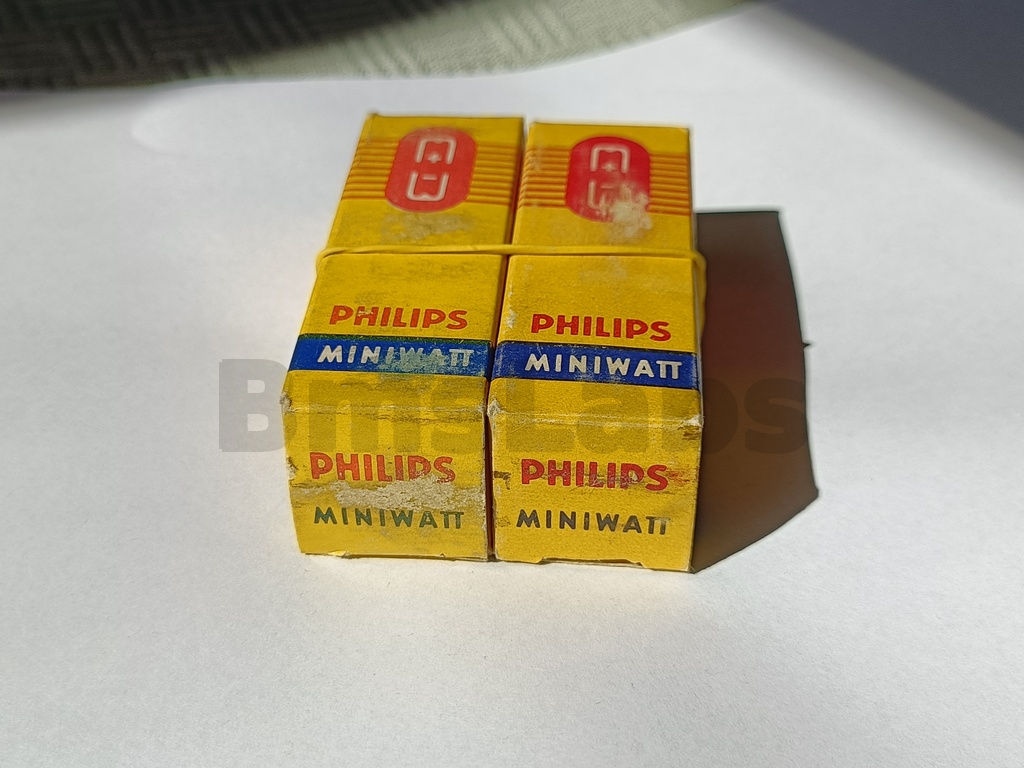
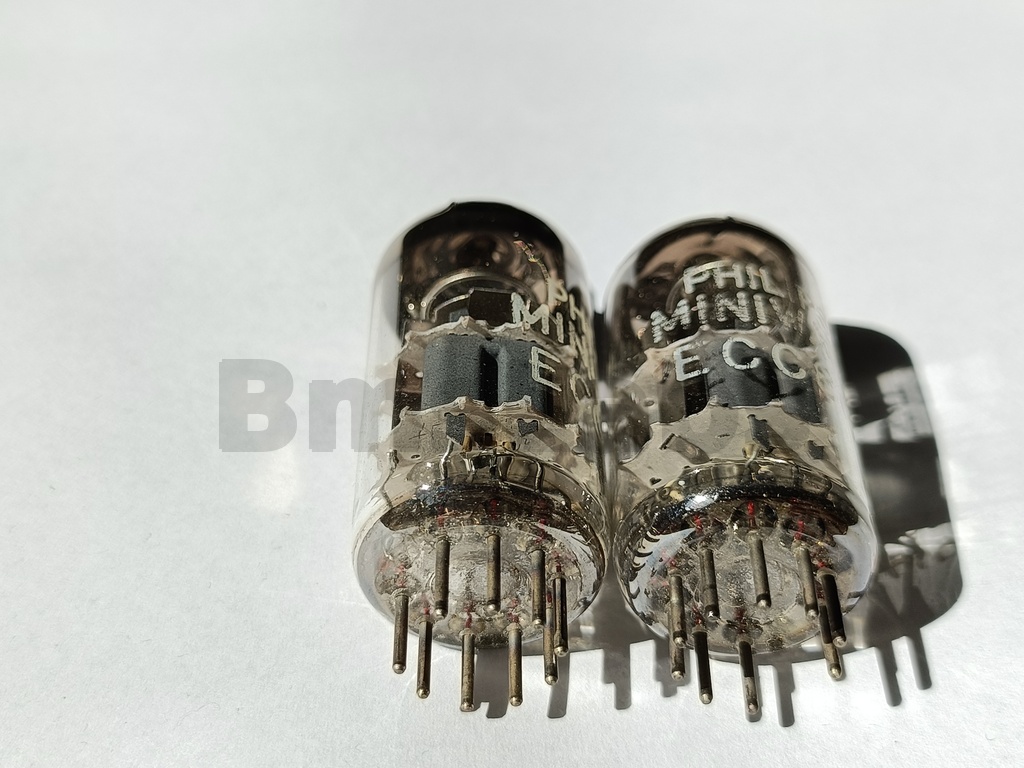
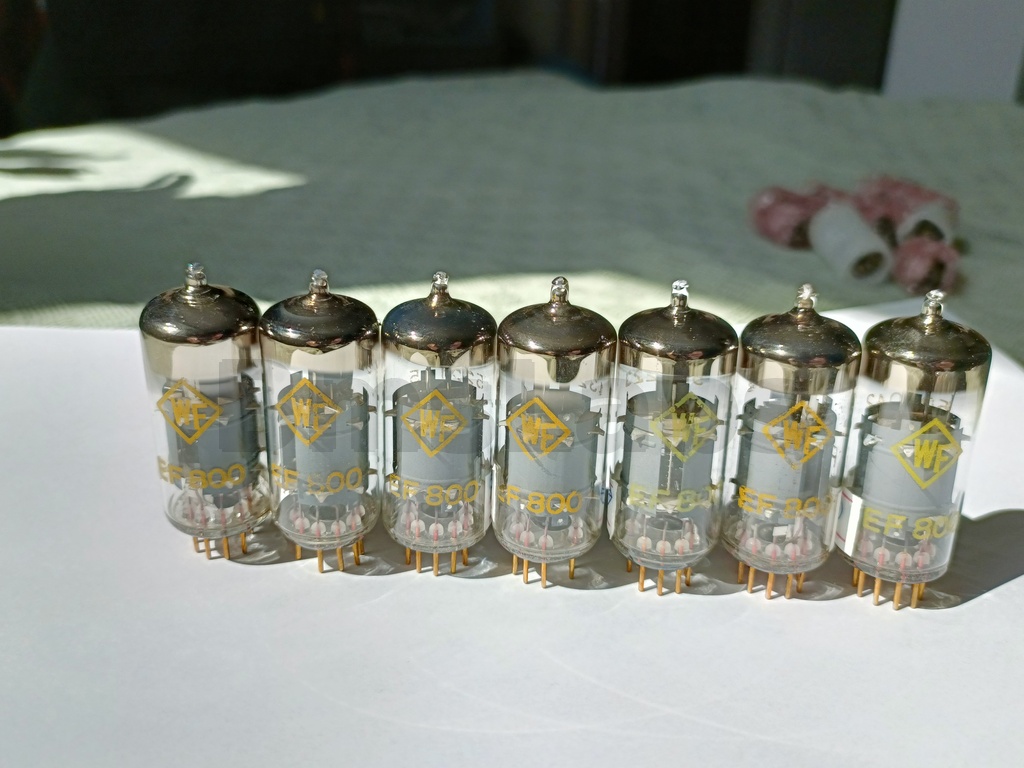
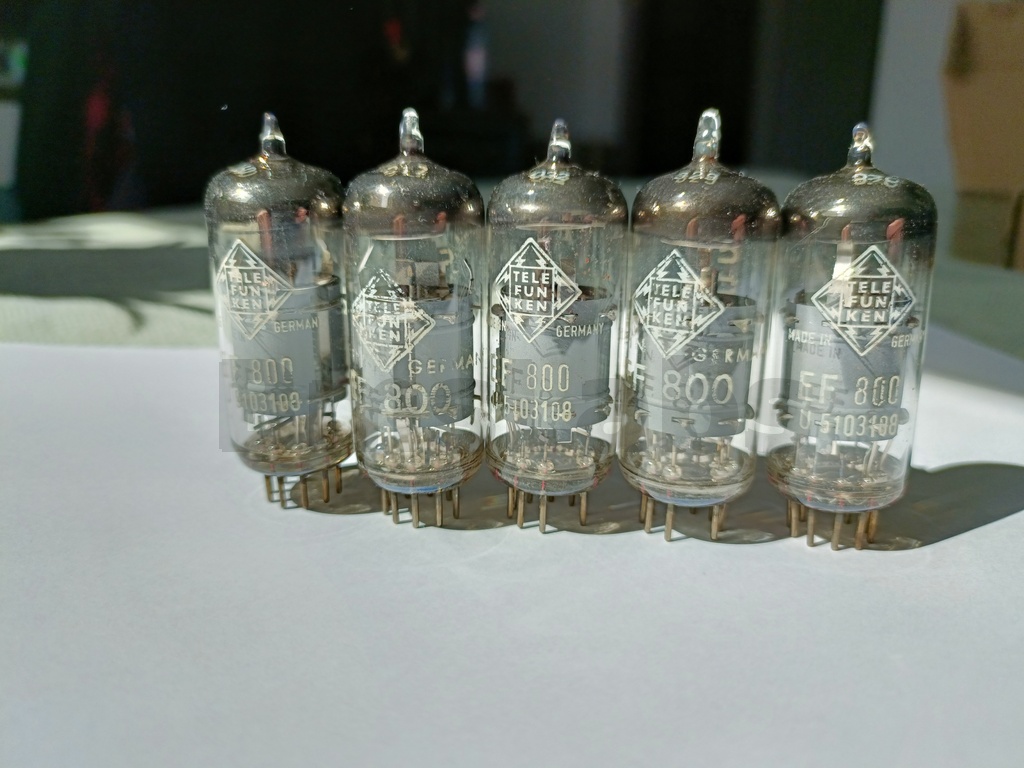
Mai jos este o descriere de pe "The Valve Museum".
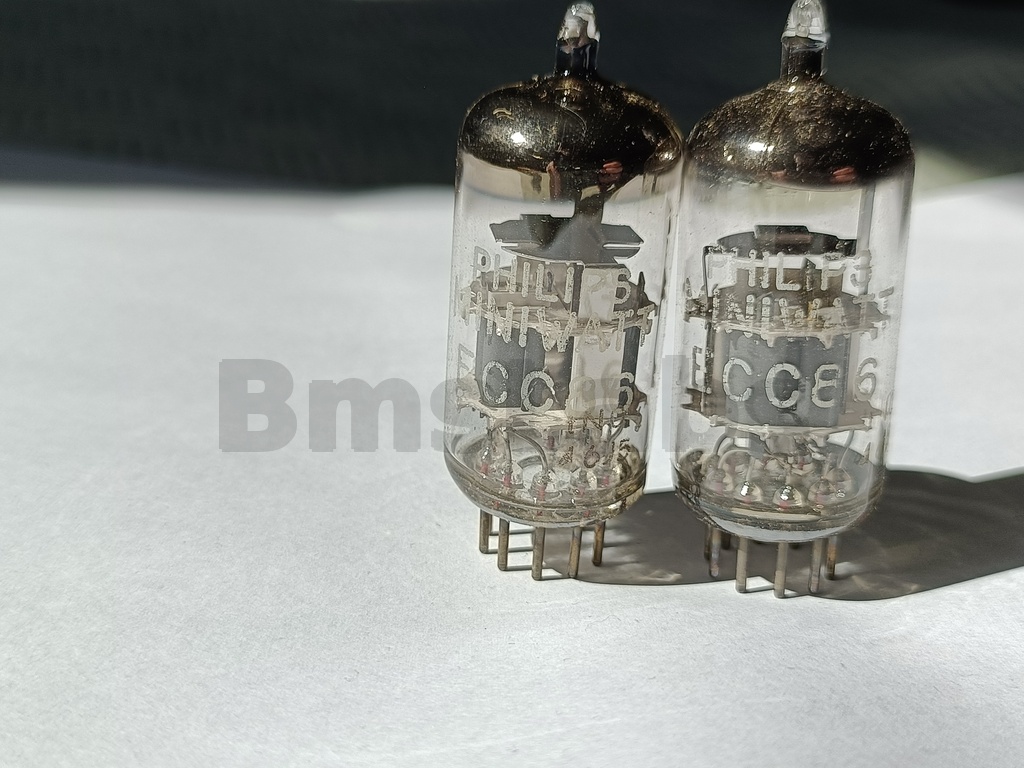
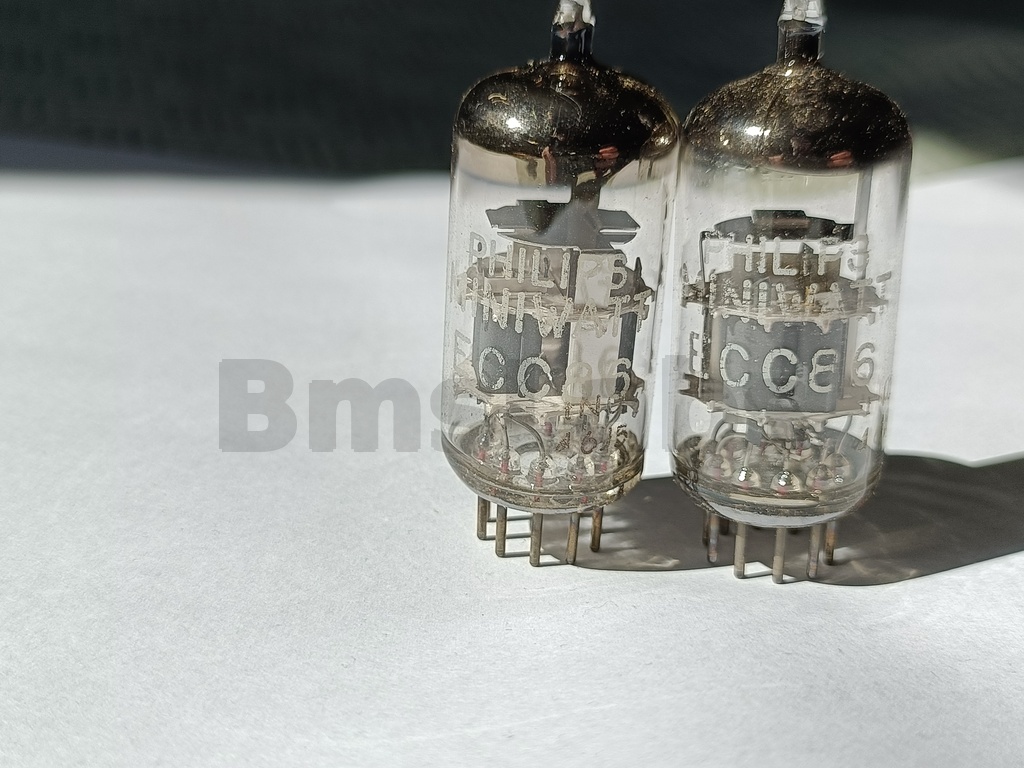
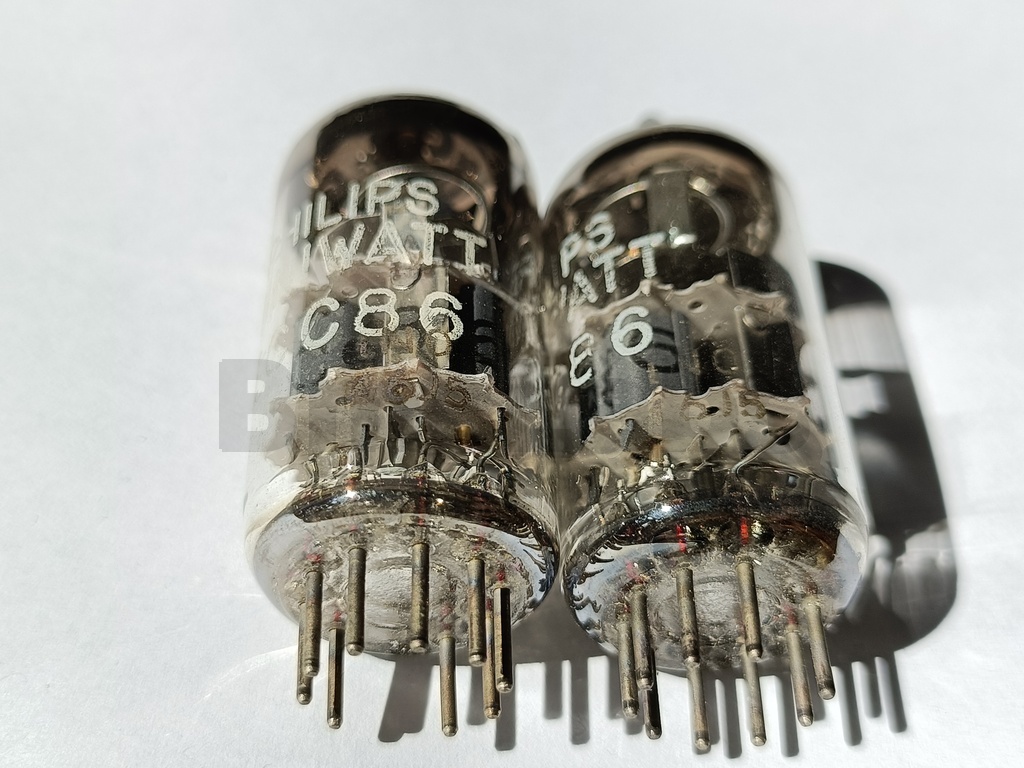
The ECC86 is very special high frequency double triode. At a time when AF power transistors were replacing valves but no VHF transistors were available the ECC86 was designed to operate directly from vehicle battery supplies for car radio applications alongside transistors.
The ECC86 was used as the VHF input stage of car radios. The corresponding IF stages were EF97 and EF98 which were also designed to operate from vehicle supplies. This technique was used until the early 1960s, but the ECC86 was especially problematic. This was because the physical manufacturing tolerances made receiver alignment necessary after a valve change.
The Philips Paladin 484 car radio used these devices and could operate from the then common six volt vehicle supplies as well as the (then) newer standard of 12 Volts. In this Philips design one half of the ECC86 operates as a VHF grounded grid amplifier, the other half as a self oscillating mixer. The first and second IF strip has five stages: EF97, ECH83, EF97, EBF83 and EF98. Two Germanium OA72 diodes act as demodulator. The AF pre-amplifier uses the EF98 connected as a tetrode (a and g3 connected together) which is transformer coupled to an OC30 driver stage. The AF output stage used 2 OC30s in push pull.
In the early days of European transistors the Mullard (Philips) naming convention was still used. O for no heater volts, C for triode (as the transistor was considered), 3 for three pins and finally the last digit remained as a sub-type indicator.